

STUNG TRENG, Cambodia — November 18 — The Cashew Nut Association of Cambodia (CAC) joined provincial officials, development partners, and civil society groups on Monday for a workshop introducing a major new agricultural initiative aimed at empowering indigenous women farmers in the northeast.
The event, held at the Stung Treng provincial hall, formally presented the “Strengthening Technology and Resources for Indigenous Women in the Agricultural Sector” (STRIVE) project. The program is coordinated by Johanniter International Assistance in partnership with the Non-Timber Forest Products Organization (NTFP) and the Association for the Development of Children (ADC), with financial support from the European Commission.
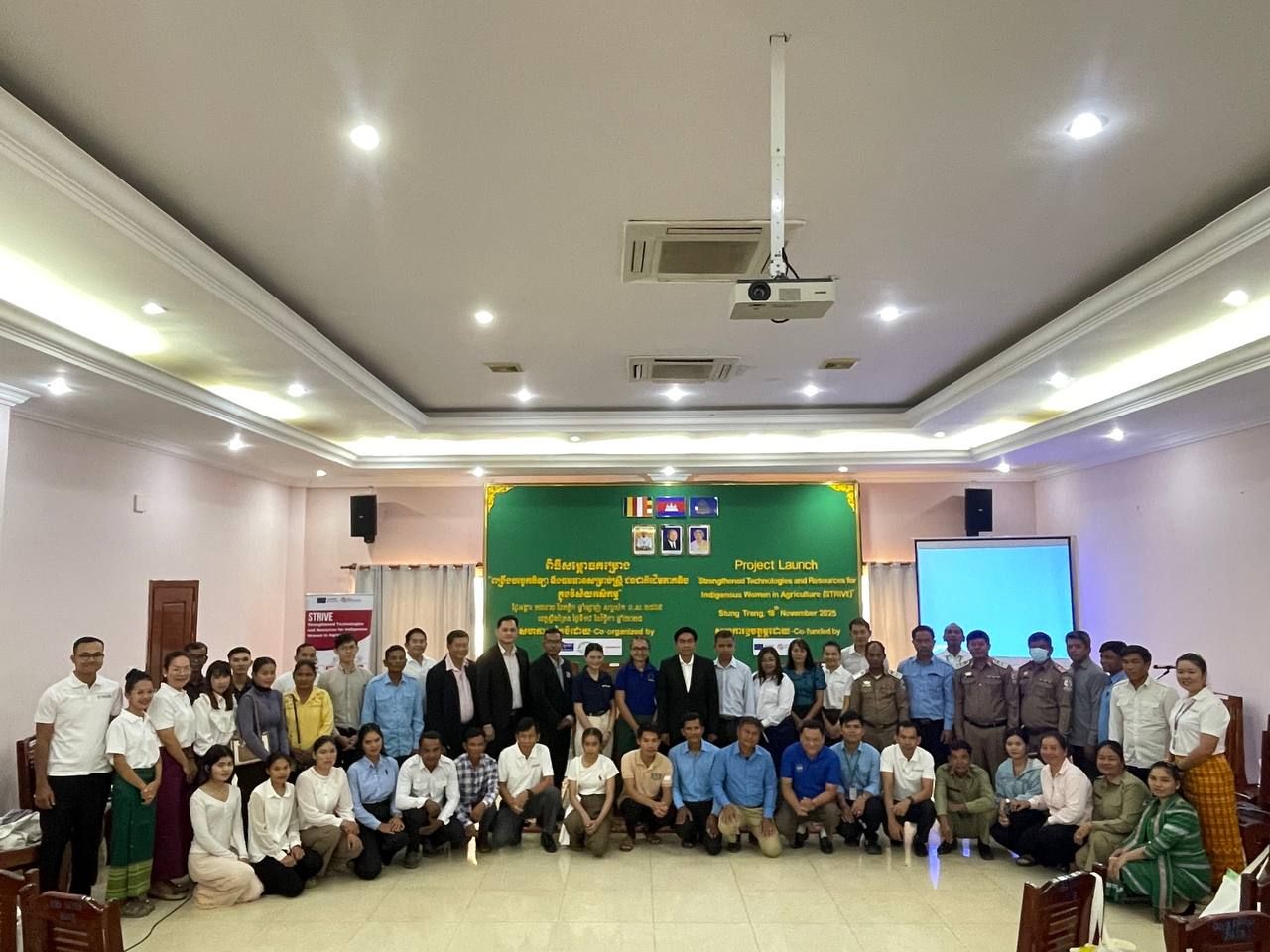
According to organizers, the four-year project will run from 2025 to 2029 in Ratanakiri and Stung Treng provinces, covering six districts, 23 communes, and 120 villages. It is expected to benefit 7,280 farmers, at least 70 percent of whom will be women.
The workshop aimed to brief officials and stakeholders on the project’s objectives, strengthen cooperation among participating agencies, and gather feedback from local authorities and technical specialists to guide implementation.
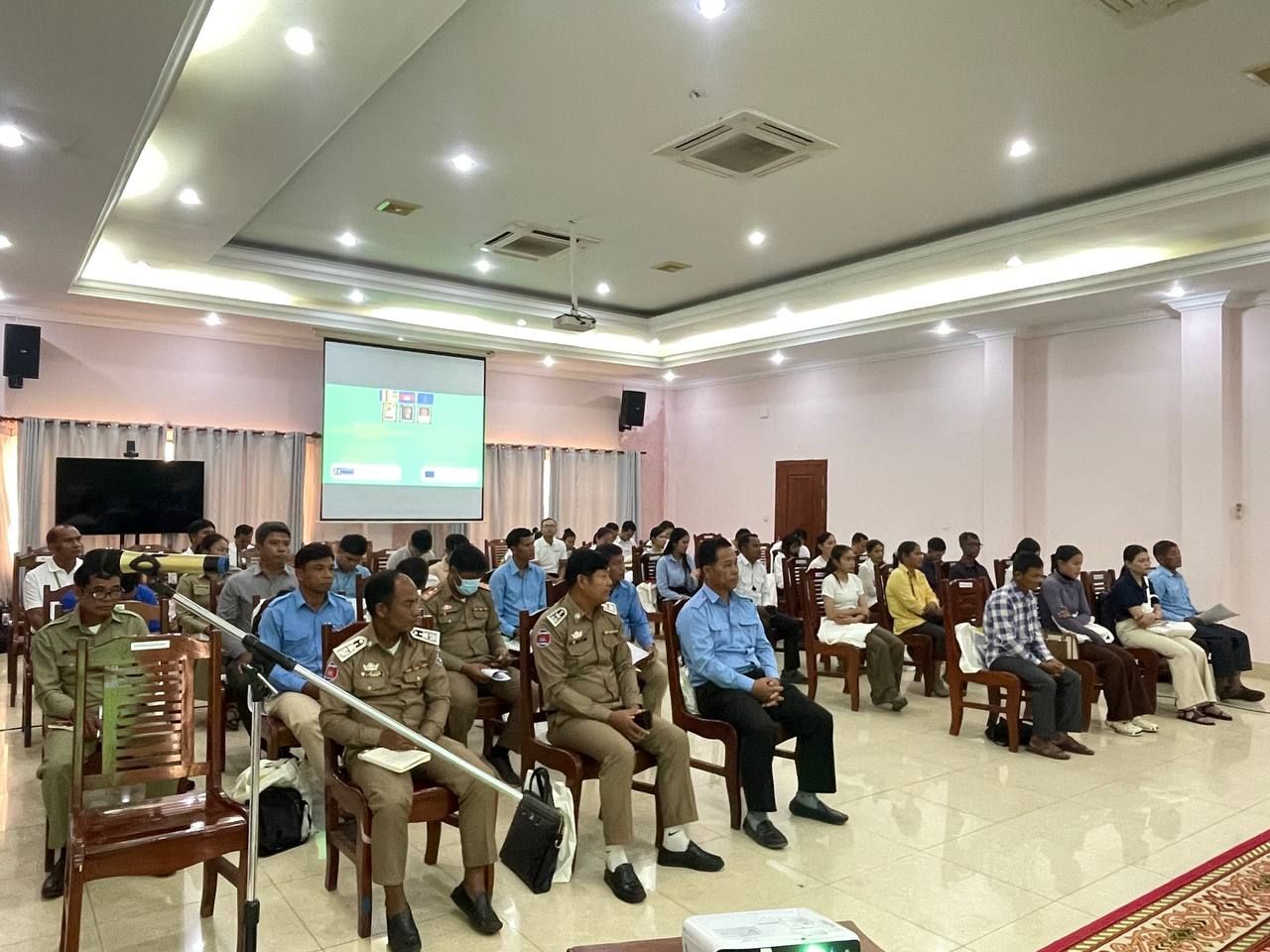
CAC representatives used the forum to highlight the importance of improved farm management tools for smallholders, particularly in cashew-growing areas. The association urged NTFP to help farmers keep detailed records of daily farm activities, pest management practices, and production costs. Such data, CAC said, will enable farmers to assess profitability, adapt to climate change, and reduce expenses—key steps toward improving rural livelihoods.
Project partners said the initiative will focus on expanding women’s access to technology, training, and agricultural resources while promoting climate-resilient practices across target communities.
Source CAC Joins Workshop Launching EU-Backed Project for Indigenous Women Farmers | CAC