
PIN Project Tackles Food Loss and Promotes Green Tech in Cambodia’s Agri-Food System
CAC News
Phnom Penh, Cambodia, October 3 – A new initiative is underway to transform Cambodia’s agri-food system into a more sustainable, efficient, and climate-resilient sector. The Accelerating Sustainability in Cambodia’s Agri-Food System (ASCA) project, funded by the European Union through the SWITCH-Asia programme and supported by the Ministry of Agriculture, Forestry and Fisheries (MAFF), is leading this charge.
The ASCA project aims to reduce greenhouse gas (GHG) emissions and improve rural livelihoods by promoting the adoption of carbon-based fertilizers and green agricultural technologies (GAT) among micro, small, and medium enterprises (MSMEs) in rural areas. In doing so, the project seeks to decarbonize agricultural value chains and promote food loss valorisation—turning waste into valuable products.
Led by People in Need (PIN) in collaboration with Husk Ventures (Cambodia) Co., Ltd. and the Farmer and Nature Network (FNN), the project also seeks to raise awareness of sustainable practices, promote inclusive policy dialogues, and strengthen stakeholder cooperation to scale up the use of GAT solutions nationwide.
Addressing the Hidden Cost: Post-Harvest Food Loss
One of the project’s core focuses is tackling the widespread issue of post-harvest food loss, a persistent challenge that undermines farmer incomes, limits consumer access to affordable food, and adds to environmental degradation.
To better understand this issue, ASCA commissioned a consultancy study to map and quantify food loss at two critical stages of the agri-food value chain:
- Post-Harvest Loss at Wet Markets and Distribution Centres: The study examines losses occurring during transportation, handling, storage, and retail—particularly at urban and peri-urban wet markets.
- By-Product and Residual Waste from Agri-Processing: Focused on five high-potential value chains—cashew, cassava, corn, coconut, and sugarcane—the study identifies opportunities for waste reduction and reuse through valorisation strategies.
Findings from the study will inform policy recommendations, guide investment planning, and support pilot initiatives aimed at reducing food loss and enhancing value chain efficiency.
Cashew Sector Highlighted for Valorisation Potential
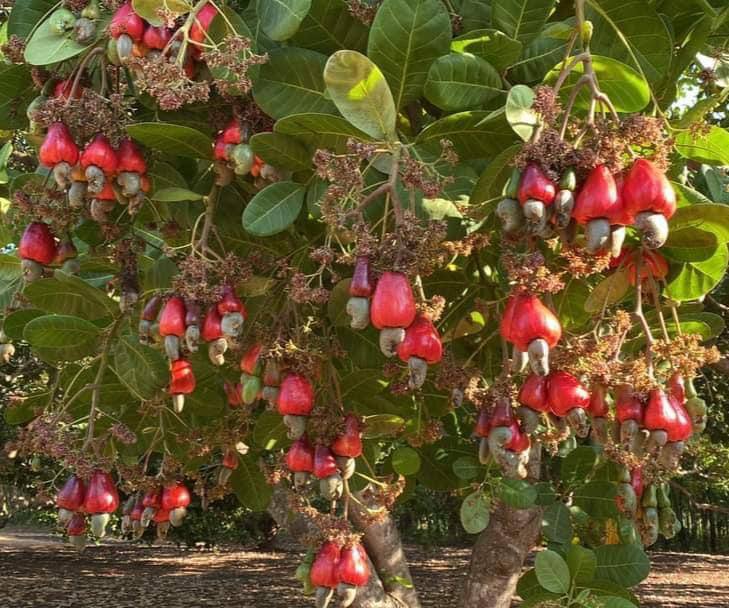
The Cashew nut Association of Cambodia (CAC) participated in the event to spotlight opportunities within the cashew industry. A major concern raised was the widespread disposal of cashew apples, a nutrient-rich by-product that currently goes unused on most Cambodian farms.
“With technical and financial support, we can turn waste into wealth,” Silot Uon noted. “Cashew apples can be converted into animal feed or processed into vinegar and liquor. These are missed opportunities we need to capture.”
Silot also advocated for greater investment in cashew by-products such as Cashew Nut Shell Liquid (CNSL) and Cashew Nut Shell Extract (CNSE). These can be transformed into biofuels, biochar, organic fertilizers, and other green products that lower production costs while reducing environmental impacts.
By advancing these innovations, CAC believes Cambodia’s cashew products can become more competitive in international markets while contributing to a greener and more sustainable agricultural future.